Stretch Film Buyer’s Guide: Getting Pallet Stability Right
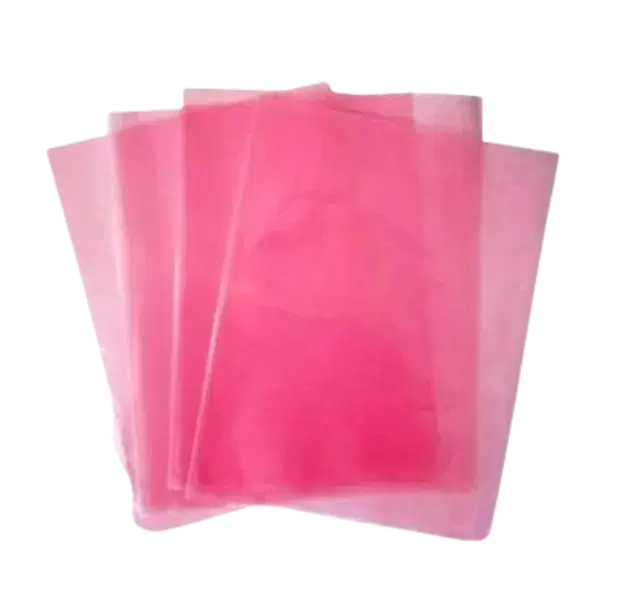
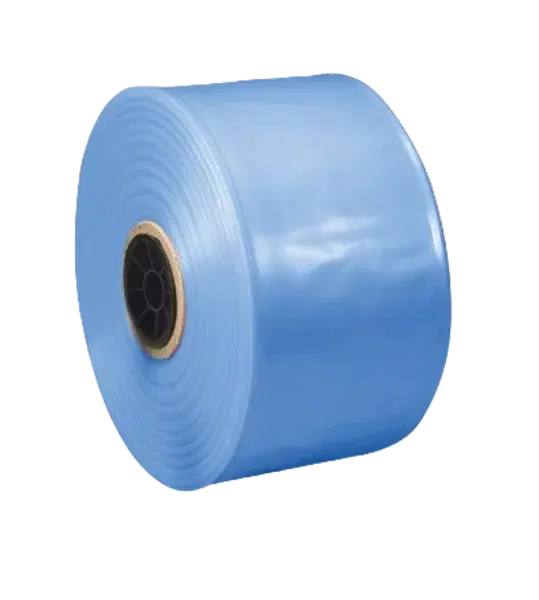
Stretch film looks like a commodity, but the wrong choice quietly costs money — either through failed pallets and damaged goods, or through using far more film than a load actually needs. Here is how to get it right.
Gauge is not the same as strength
Buyers often default to thicker film assuming it is stronger. Modern LLDPE films use multi-layer extrusion to deliver high tensile strength and puncture resistance at lower gauges. A well-engineered 20-micron film can outperform a cheap 25-micron one while using less material per pallet.
Understand pre-stretch
Pre-stretched film has already been elongated during manufacturing, so it applies more securely with less effort and yields more wraps per roll. For high-volume operations, pre-stretched film is one of the fastest ways to reduce cost per pallet.
- •Standard film: general pallets, manual or machine wrap.
- •Heavy-duty film: sharp-edged or heavy loads that puncture thinner film.
- •UV-resistant film: outdoor storage and long transit under sunlight.
- •Food-grade film: FDA-compliant applications in food and beverage — only when that grade is specified on the quote.
Cling matters more than you think
Good cling keeps the wrap tail down without tape and prevents pallets in a container from sticking to each other. Ask your supplier about one-sided cling if loads are shipped tightly packed.
Get a sample before you commit
The only reliable way to choose film is to test it on your actual loads. We supply stretch film samples from Peenya so you can validate stability and yield before placing a bulk order — whether the pallets sit in Bengaluru, Dubai, or a US warehouse.
Products mentioned
- Stretch Film — Pallet wrap
- Adhesive Tapes — Sealing
Get a spec from the plants
Samples and quotes for buyers in India, South Asia, the Middle East, Europe, the US, Africa, and Russia. Confirmed export lanes: Hong Kong and the UAE.
Request a quote